

Termites are a year-round concern for homeowners in South East Queensland, but their activity can become particularly noticeable during the warmer, wetter months. Rising temperatures, increased humidity and rainfall all create favourable conditions for termite movement, as well as feeding and colony development.
From existing owners to prospective buyers, understanding when termites are at their most active ultimately makes it easier to identify problems before they become seriously expensive structural issues.
While there is no single “termite season” that applies to every species, spring through late summer is a key period for termite activity in South East Queensland.
This guide will explain the signs to look for if you have termites and why it’s important to remain vigilant all year round.
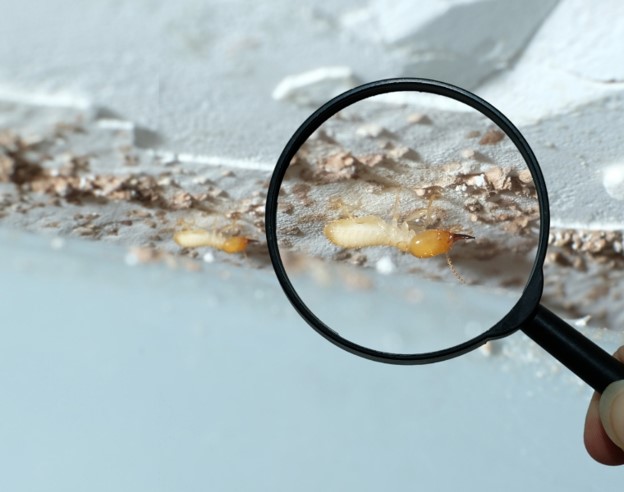
When Is Termite Season in South East Queensland?
In Brisbane and the wider South East Queensland region, there is no real “peak” termite season. However, they are generally most active from spring through summer and into early autumn between November to March.
The warmer months can bring an increase in termite swarming, when reproductive termites known as alates leave established colonies to mate and establish new colonies in new areas.
Termite swarming in Queensland commonly occurs in November and December and can continue until March.
Swarming termites are often attracted to lights, so homeowners may notice them around:
- Windows and doors
- Outdoor lights
- Light fittings
- Porches and patios
- Roof spaces
- Gardens and trees near the home
You may also find discarded wings after a swarm. Finding piles of wings indoors or around windows can be an important warning sign.
However, not seeing swarmers does not mean your property is termite-free. Many termite infestations remain concealed within wall cavities, subfloors, roof voids, trees or soil.
What Are the Signs of Termites?
Termites often eat timber from the inside, leaving a thin outer layer intact. This allows them to maintain the humidity and temperature they need while keeping their activity hidden.
Common signs of termite activity include:
Termite Shelter Tubes
Mud-like tubes may appear along foundations, walls, piers and other surfaces. They allow termites to travel safely between the soil and their food source while protecting them from predators and dry conditions.
Subterranean Tunnels
Subterranean termites create underground tunnels through soil while searching for food. These tunnels are used to transport food back to the colony and can extend considerable distances.
Earthen Packing
Termites may leave mud-like material around timber, foundations, flooring, walls and other areas where they are active. This can be a useful indication of concealed termite workings.
Flight Tubes and Discarded Wings
Small earthen tubes may appear when a colony is preparing to release flying termites, known as alates. Large numbers of discarded wings around windows, roof spaces or subfloors can also indicate a nearby colony.
Timber Damage
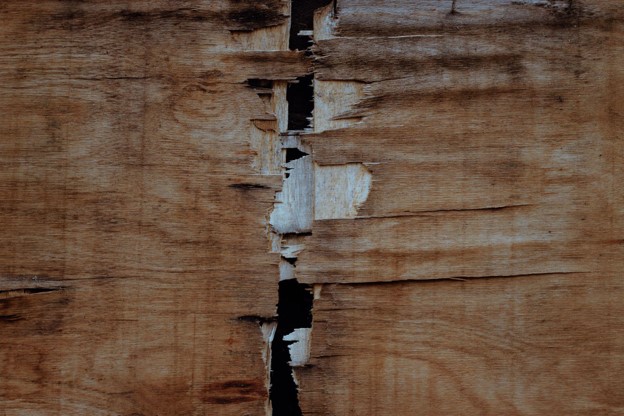
Termites hollow out timber internally, sometimes leaving only a thin outer shell. Damaged timber may sound hollow, appear distorted or eventually collapse. Structural timbers in floors, walls and roofs can all be affected.
Tree Nests and Blowholes
Some termite species establish colonies inside tree trunks or around tree roots. Small openings, slits or areas of callus on a tree can sometimes indicate termite activity.
Termite Noises
Infested timber may produce tapping or clicking sounds, particularly at night. These sounds can be caused by soldier termites responding to perceived threats.
Visible Termites
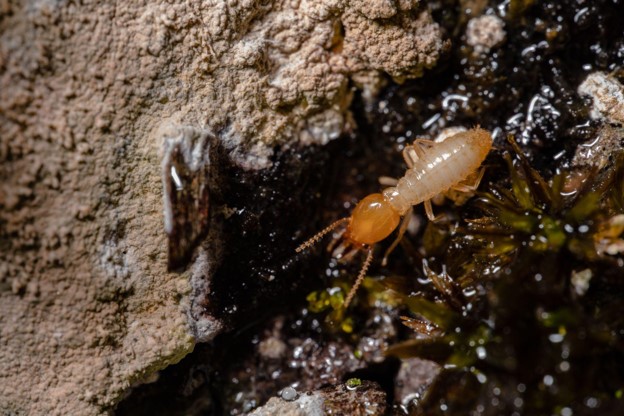
Finding termite workers or soldiers inside a property is a strong warning sign. Flying termites may also emerge from trees, timber structures or buildings during swarming periods.
Paint, Walls and Damp Areas
Blistering, bulging or stained paint, damp patches and unexplained wall damage can indicate concealed termite activity. Termites may travel inside wall cavities where their workings remain hidden.
Structural Damage
Termites can damage flooring bearers, joists, wall framing, roof timbers and other structural components. Significant damage can occur before obvious signs become visible, making regular inspections important.
Landscaping and Timber Around the Home
Timber stored on the ground, untreated timber fences, garden landscaping and climbing plants touching walls can create opportunities for termites to access or remain concealed around a property.
Because termite damage can remain hidden inside walls, floors and roof spaces, regular inspections are important, even when no obvious signs are visible.
Why Are Termites More Active in Warmer Months?
Termites are strongly influenced by environmental conditions. South-East Queensland’s warm temperatures, moisture and humidity create ideal conditions for termite activity.
Summer storms can increase moisture around homes, while leaking pipes, blocked gutters, poor drainage and damp soil can create areas that attract termites.
Following heavy rainfall, the Queensland Building and Construction Commission (QBCC) recommends that homeowners keep an eye out. Moisture can encourage termite activity, while flooding or landscaping work can potentially compromise existing termite management systems.
Termite colonies don’t simply disappear when the weather cools down either. Subterranean termite species can remain active throughout the year, particularly where they have access to suitable conditions inside or around a building.
To help reduce the risk of termites, homeowners should remove or manage moisture sources and keep timber away from the ground and building.
These precautions are useful throughout the year, but they become especially important before and during the warmer months.
This is why termite prevention and inspections should be treated as an ongoing part of property maintenance rather than a seasonal task.
Are Termites Only Active During Summer?
No, and this is one of the most important things for Queensland homeowners to understand.
Although termite swarming is often associated with warmer months, termite colonies can remain active throughout the year. Swarming is simply one visible stage of termite behaviour; it isn’t the only time termites can attack a building.
Some termite species also have different seasonal patterns, so Queensland homeowners should remain alert to termite risks year-round.
The Types of Termites
Coptotermes Termites
Coptotermes termites are widespread across Australia and are among the most destructive termites affecting timber buildings. They may nest underground, in trees, stumps or building structures.
Coptotermes acinaciformis
- acinaciformis is highly destructive and commonly nests in trees, stumps and concealed areas. Large colonies can reach buildings through underground tunnels, making nearby trees important to monitor.
Coptotermes frenchi
- frenchi has similar nesting habits but is generally more timid and less destructive than C. acinaciformis. It commonly nests in trees and uses subterranean tunnels to access food sources.
Microcerotermes
Microcerotermes are subterranean termites that can nest underground, in timber, tree trunks, stumps, fence posts or small above-ground nests. They are commonly found across coastal Queensland and can attack hardwood timber in ground contact. Colonies are generally small, and some species build thin-walled nests that can be easily damaged.
Harvester Termites
Drepanotermes and Amitermes are closely related harvester termites that mainly feed on grass and plant debris. They are widespread across Queensland and generally do not damage timber in buildings.
Heterotermes ferox
Heterotermes ferox is a widespread subterranean termite that can attack timber such as posts, fences, decking and flooring, particularly where weathering or decay is present. It forms small colonies in soil, near stumps, logs and rotting timber rather than building mounds.
Although once considered relatively minor, it is now recognised as capable of causing significant damage to sound timber in buildings.
When Should You Get a Termite Inspection?
A professional building and pest inspection can be conducted at any time of year, particularly if your property has characteristics that increase termite risk.
The QBCC recommends that properties have professional termite inspections at least annually, with more frequent inspections potentially appropriate in higher-risk areas.
You should also consider an inspection if:
- You have recently experienced significant rainfall or flooding.
- You discover discarded wings.
- You see mud tubes around the property.
- Timber sounds hollow when tapped.
- You notice unexplained timber damage.
- You have large trees or old stumps close to the home.
- Your property has extensive gardens or landscaping against external walls.
- You are planning to buy or sell a property.
- You are renovating.
- Your existing termite management system has been altered or damaged.
How Can You Reduce the Risk of Termites?
While there is no way to guarantee that a property will never experience termites, there are ways that homeowners can reduce the risks.
Keep timber, firewood and other cellulose materials away from the house and preferably raised off the ground. Ensure garden beds and vegetation are kept away from walls and avoid allowing mulch and vegetation to cover inspection zones around external walls.
It’s also important to maintain gutters and drainage and repair any leaking taps, pipes and other sources of moisture.
If your property has a termite management system, make sure you understand what type has been installed and what maintenance it requires. Homeowners should inspect their termite management system regularly and have the building professionally inspected at least annually.
Don’t Wait for Termite Season
Termite activity can occur at any time throughout the year, but spring, summer and early autumn are key periods for increased activity and swarming, with November through March often being the height of activity.
However, termites can remain concealed and active outside the traditional swarming period, meaning an annual professional inspection is a much more reliable approach than waiting for visible termites.
For homeowners in Brisbane, Runcorn, Hawthorne and surrounding suburbs, regular inspections combined with good property maintenance can help identify termite risks before serious damage occurs.
To book in a professional building and pest inspection in Brisbane get in touch with ABIS today by calling 07 3804 1000 or fill out an online form.
Build you new home with confidence
Moving into a new home? Don’t miss a thing. Our free handover checklist helps you inspect every detail before you sign off.